Buying Off-Grid Land Near Lake Koocanusa in Rexford
December 18, 2025
December 18, 2025
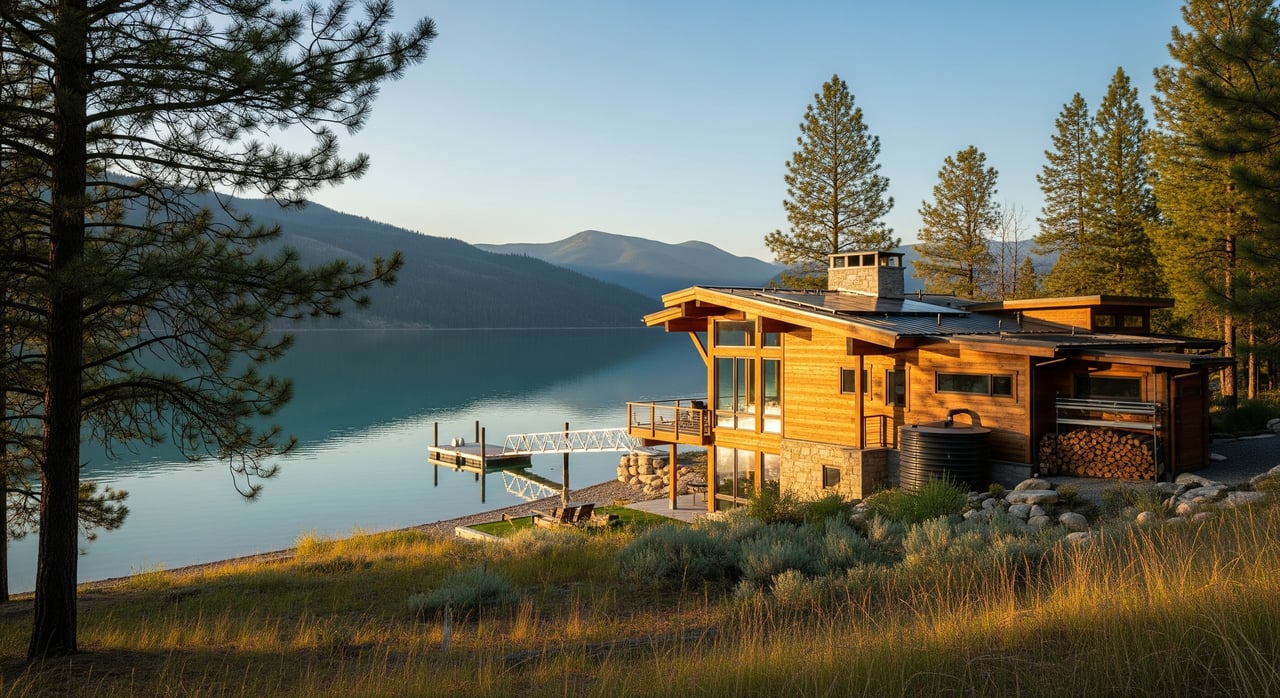
Thinking about buying land near Lake Koocanusa and going off grid? You are not alone. The area around Rexford draws people who want quiet water, big skies, and the freedom to build on their terms. The tradeoff is planning for your own power, water, waste, and winter access. In this guide, you will learn what off grid really looks like here, how to design systems that work in our winters, and the due diligence that protects your purchase. Let’s dive in.
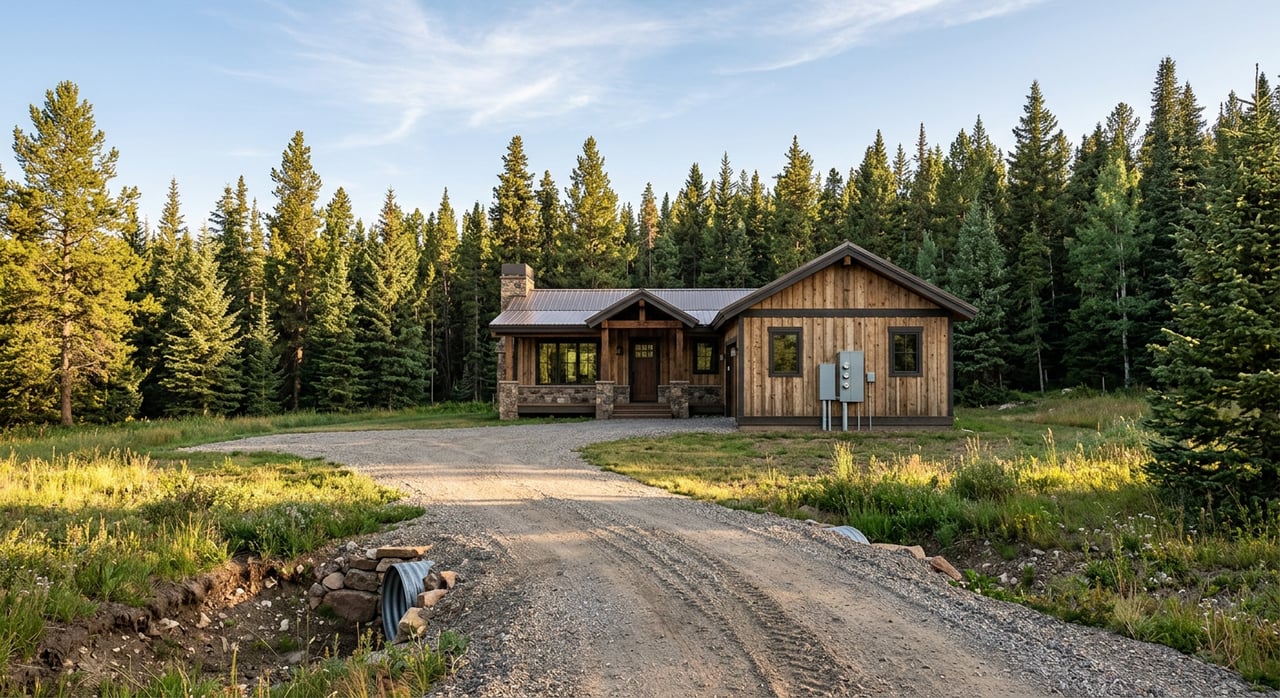
Off grid in the Rexford and Koocanusa area usually means no connection to one or more public utilities. Many parcels lack municipal power, public water, sewer, and natural gas. Road access can be private or seasonal. You also plan your own communications.
Properties vary. Some are in small subdivisions with private roads and shared systems. Others are remote acreage without improvements. Because Lake Koocanusa is a reservoir, the U.S. Army Corps of Engineers may hold shoreline easements that affect certain lots. Always review the legal description for easements before you buy.
Decide early how you plan to use the property. Seasonal users can keep systems simple and winterize in the fall. Year round living requires robust heating, protected water and septic, and a reliable plan for winter access.
Solar with battery storage is the most common long term power choice for off grid cabins. It is quiet, modular, and low cost to run. Plan for winter. Short days, snow on panels, and cloud cover reduce production. The battery bank should cover several days and be sized for your cold season loads.
Smart load choices go a long way. Use LED lighting, efficient appliances, and consider propane options for big draws like cooking, water heating, or refrigerators. Many owners also add a cold climate heat pump if their electrical system can support it.
A generator is the usual backup for long cloudy stretches or heavy loads. Propane standby units are popular because propane stores well. Diesel works for larger systems but needs regular maintenance. Most owners choose a hybrid approach: solar plus batteries with an automatic or manual generator backup.
Small wind can help on exposed, windy sites. Performance is very site specific and maintenance adds complexity. Micro hydro only makes sense if you have a reliable, permitted stream with enough head. That is not common for lakeside lots.
Bringing in utility power is sometimes possible but often very expensive. Costs can run from tens of thousands to more than one hundred thousand dollars depending on distance and terrain. If you are considering a grid extension, get written estimates from the local utility before you commit to a parcel.
Propane is a workhorse for space heat and hot water in off grid cabins. You can size tanks for seasonal or year round use. Wood and pellet stoves are popular and reliable during outages. They require seasoned firewood and proper chimney installation.
Heat pumps are efficient but must be selected for cold climates and supported by a power system designed for winter. Many owners combine systems. A wood stove or propane furnace handles most heating with a generator or electric elements for backup.
Wells are common in rural Lincoln County. Depth and yield vary by location, and drilling costs can climb with depth and geology. A pre drilling consult with local drillers can help you budget.
If a well is not practical, cisterns with hauled water or rain catchment can support seasonal use. For year round use, tanks and lines must be insulated or kept in heated spaces to prevent freezing. Some parcels have springs or small streams, but you must follow state water law and treat surface water before use.
If irrigation or surface diversion is part of your plan, confirm recorded water rights. In Montana, water rights matter for use and long term value.
A permitted septic system or approval for one is essential for year round living. Cold winters can freeze shallow lines. Designs may include deeper trenching, mound systems, or insulated tanks. Seasonal cabins sometimes use holding tanks or composting toilets, but these are not ideal for full time living. Expect to complete soils testing and work with the county sanitarian for permits.
Access can be on county roads, private subdivision roads, or private driveways. County maintenance often stops at a marked point. Many lakeside parcels rely on private road maintenance and individual driveways.
Plowing varies. In subdivisions, an HOA or road district may hire plows and set annual dues. Elsewhere, neighbors coordinate or owners hire contractors. Very remote parcels might be seasonal only once snow piles up. Winter capable vehicles and gear are a must.
Expect to use:
Before you buy, confirm any seasonal closures or gates and ask about typical snow depths and drifts.
Protect water lines, tanks, and septic components from freezing. Lines should be below frost depth or insulated and heat traced. Place tanks inside conditioned space when possible. Buildings must meet local snow load requirements. Plan power and fuel storage for multi day storms when deliveries are delayed and solar output drops.
Cell coverage is spotty in parts of the Koocanusa corridor. Test your carrier and consider satellite internet or fixed wireless where available. Keep backup communications such as a satellite messenger or handheld radios. Response times for EMS, fire, and sheriff are longer than in town. Know your nearest volunteer fire department and medical facilities.
Vacant land loans often require larger down payments and carry higher rates than home mortgages. Lenders may classify your lot as raw, unimproved, or improved. Subdivision lots with planned utilities might qualify for a lot loan with better terms than raw acreage.
If you plan to build, a construction loan can convert to a mortgage once the home is complete. Lenders will review your plans and budget. For off grid builds, they look closely at heating, water, and wastewater to confirm livability. Owner financing is also common in rural land deals and can be flexible, but terms vary and careful contract handling is essential.
Government programs like USDA Rural Development focus on primary residences and generally do not finance raw recreational land by itself. Portfolio lenders and local banks or credit unions often understand local conditions better than national banks.
Confirm recorded legal access. A road by permission or a trail people have used for years does not guarantee your right to use it. Lack of legal access can block financing and insurance.
Review title for easements or encumbrances. Look for utility easements, shoreline easements related to reservoir operations, road maintenance agreements, timber or mineral reservations, and any conservation easements. In Montana, mineral rights can be severed from surface rights, so know what you are buying.
Contact county planning for building permits, setbacks, and shoreland rules. Septic permits go through the county sanitarian, and soils tests are often required. Shoreline work on a reservoir can involve state or federal approvals. Wildfire risk and defensible space requirements may also apply.
Insurance for remote, off grid cabins can cost more or be limited based on distance to fire protection, construction type, and wildfire risk. Property taxes are based on assessed value, and some subdivisions or road districts have annual maintenance fees.
If you love quiet mornings, dark skies, and self sufficiency, off grid near Lake Koocanusa can be a great fit. Just plan honestly for winter and set realistic budgets for power, water, septic, and access. Seasonal use can be simple and cost effective. Year round living is achievable with the right systems and a clear plan for plowing and backups.
When you are ready to evaluate a specific parcel, bring a practical checklist and the right local contacts. A careful look up front can save you time and money later.
Ready to explore land or a cabin near the lake and want a clear plan for off grid living, financing, and permits? Reach out to Erin Gilley for local, financing savvy guidance from search to close.
Stay up to date on the latest real estate trends.


Erin’s passion for adventure extends into real estate. Whether it's renovating a fixer-upper or turning a vacation rental into something special, Erin’s creativity and hands-on approach ensure that every property is an opportunity to create something unique.