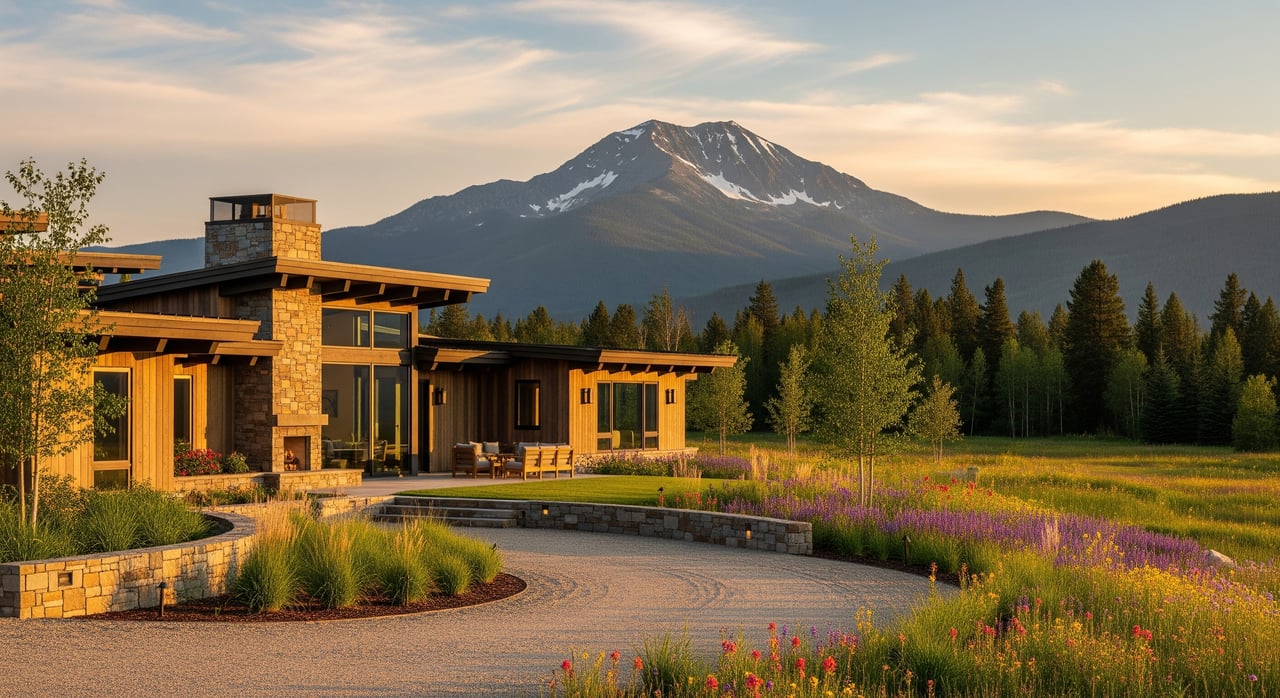
HOA vs. No HOA Near Whitefish Mountain
December 4, 2025
December 4, 2025
Thinking about a condo steps from the lifts or a cabin tucked off a quiet road? Around Whitefish Mountain, your choice often comes down to HOA convenience or no‑HOA freedom. Both paths can work well. The right fit depends on how you plan to use the home, your appetite for maintenance, and your goals for rental income and resale. In this guide, you will see how each option works near the resort, what to check before you buy, and how to avoid common pitfalls. Let’s dive in.
In resort areas like Whitefish Mountain, many properties are part of a condominium association or a planned subdivision HOA. These communities trade monthly dues and rules for managed services, shared amenities, and consistent upkeep.
While every community is different, HOA dues in mountain settings often pay for:
You should review the current budget, recent income and expense statements, and the reserve study to understand what is covered and whether reserves are healthy. The Community Associations Institute shares best practices on budgets and reserves that can help you evaluate these documents.
HOAs operate under recorded CC&Rs, bylaws, and rules. Common topics include exterior materials and colors, landscaping and vegetation management, parking and guest limits, exterior lighting, and storage of recreational gear or trailers. Many HOAs use an Architectural Review Committee for additions, exterior changes, solar panels, or fencing. Timeframes, required submittals, and fees vary, so request the full design guidelines before planning improvements.
Rental permissions are also set by the HOA. Some allow short‑term rentals with registration or rules. Others limit or prohibit them. You must follow both HOA rules and local regulations.
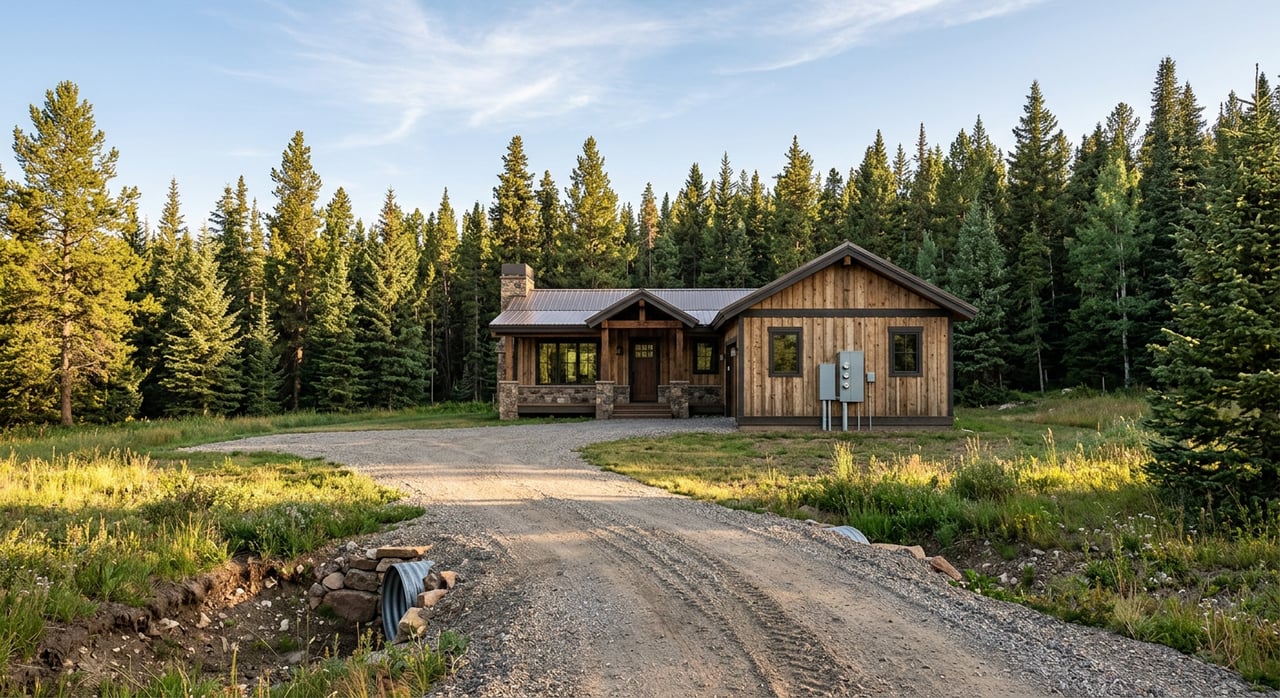
Buying outside an HOA can give you more independence and often lower monthly costs. You also take on more responsibility for upkeep and access, especially in winter.
Without an HOA, you are typically responsible for driveway plowing, de‑icing walkways, and arranging service for any private roads you share with neighbors. Whitefish winters are long at higher elevations, so plan for roof snow load, ice dam prevention, and snow storage on your lot. If a road is private rather than county maintained, confirm who pays for plowing and repairs.
Check county resources to see what is public, private, or requires permits. The Flathead County and City of Whitefish sites are good starting points for road, permit, and seasonal information.
No‑HOA living can be ideal if you want to control exterior choices, add outbuildings, or store seasonal gear. You will likely spend less on recurring dues, but you will budget for your own services, including plowing, trash, and long‑term maintenance. For rental plans, confirm city or county short‑term rental requirements, licensing, and taxes, separate from any HOA rules.
Access and safety are top priorities near the resort. In HOA communities, plowing usually covers private community roads and shared areas. Condo HOAs often include sidewalks and parking lots. Owners still may need to clear individual driveways or steps unless the contract states otherwise.
On non‑HOA parcels, plan for a reliable plow contractor, adequate snow storage, and safe driveway slope. Ask who maintains any private road segments and how quickly they are plowed after storms. These details affect daily use and rental operations all season.
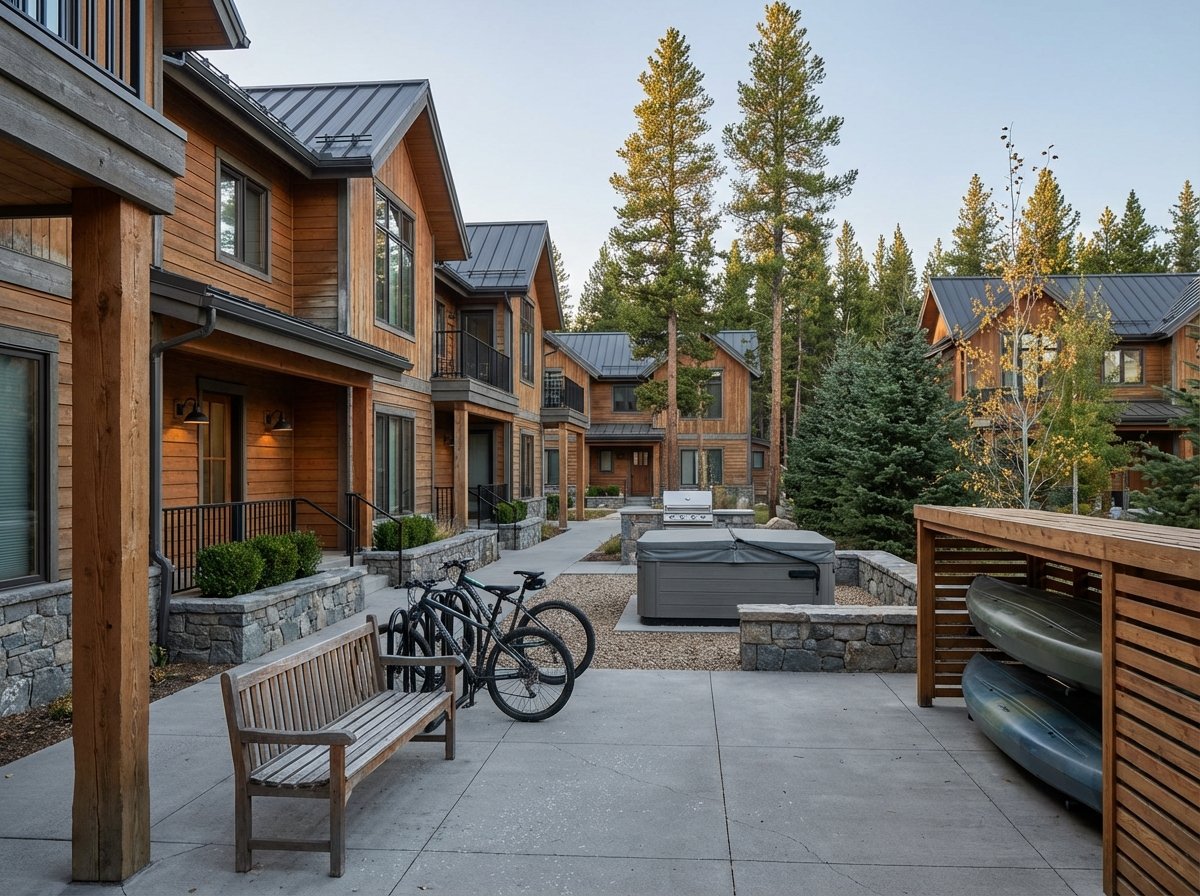
Many resort HOAs offer amenities that improve convenience and rental appeal. Examples include shuttles to the mountain or town, fitness centers, pools or spas, gear storage, and concierge desks. Amenities can increase dues but also enhance lifestyle and marketability. For context on what the resort area offers, explore the Whitefish Mountain Resort village and amenities.
Short‑term rental policy is a two‑part check. First, review HOA rental rules. Second, confirm city or county requirements for licensing and occupancy limits. Start with the City of Whitefish and Flathead County websites to understand local frameworks. Your property must comply with both HOA documents and local regulations.
Healthy HOA finances protect your time, money, and resale. Look for strong reserve funding, clear insurance coverage, and low delinquency rates. Underfunded reserves can lead to special assessments for large projects like roof replacements or road paving.
Financing can also be affected. Lenders often review HOA documents during underwriting for condos. The Montana Legislature site provides access to state statutes that govern condominiums and common interest communities. For due diligence on recorded CC&Rs or easements, the Flathead County Clerk & Recorder is a helpful resource.
Ask the seller or association for:
Choose an HOA if you want:
Choose no‑HOA if you want:
Use this quick checklist before you write an offer near Whitefish Mountain:
Documents to request:
Questions to ask:
On‑site checks in winter:
Whether you want a turn‑key condo near the lifts or a private retreat with room to roam, the right guidance makes the choice clear. If you would like help matching your goals to the best HOA or no‑HOA options near Whitefish Mountain, connect with Erin Gilley for local insight, financing‑savvy advice, and a clear buying plan.
Stay up to date on the latest real estate trends.


Erin’s passion for adventure extends into real estate. Whether it's renovating a fixer-upper or turning a vacation rental into something special, Erin’s creativity and hands-on approach ensure that every property is an opportunity to create something unique.