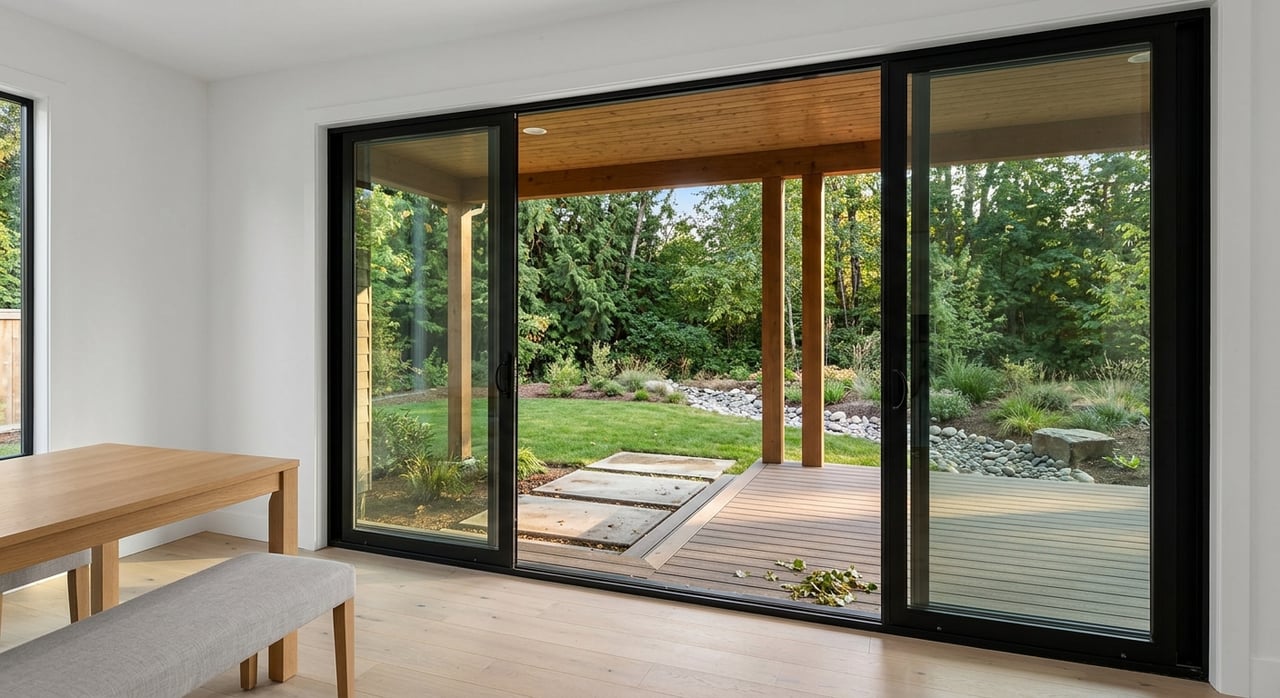
Columbia Falls Housing Options for In-Town, River, or Rural Living
June 11, 2026
June 11, 2026
Wondering whether Columbia Falls is a better fit in town, near the river, or out on acreage? That choice can shape your daily routine, your property costs, and how much homework you need to do before closing. If you are trying to balance convenience, scenery, and space, this guide will help you compare the tradeoffs clearly. Let’s dive in.
Columbia Falls offers three very different living experiences in one market. You can find compact in-town neighborhoods, homes near the Flathead River, and rural properties with more land and flexibility.
That variety is part of what makes the area appealing. The city’s planning documents describe Columbia Falls as a gateway community with a historic downtown centered on Nucleus Avenue, pedestrian-oriented redevelopment, public access to the Flathead River, and a strong recreation identity connected to Glacier National Park and nearby public lands.
If you want the most day-to-day convenience, in-town Columbia Falls is usually the easiest fit. The city’s growth policy says urban residential areas are intended to be fully served by municipal services and located near parks, neighborhood business districts, and elementary schools.
That matters because utilities and access can affect both your budget and your routine. Inside town, you are more likely to have city water and sewer, paved streets, curbs, sidewalks, and a more connected neighborhood pattern.
In-town housing tends to sit on smaller lots with a denser layout than rural properties. The city describes typical urban residential density as roughly two to eight dwellings per gross acre, with single-family homes as the main housing type.
The city also anticipates duplexes, guest houses, accessory apartments, and some small dispersed multi-family areas. That gives in-town Columbia Falls a more varied housing mix than many buyers expect.
For many buyers, the biggest benefit of living in town is time saved. You may have easier access to local services, parks, and schools, plus a simpler setup for water and sewer than you would on a rural parcel.
Downtown adds another layer of appeal. The city identifies Nucleus Avenue as the historic downtown center and describes the core as pedestrian-oriented, with a high concentration of people, building investment, and mixed-use activity.
If you like having recreation close to home, in-town Columbia Falls offers strong options. Pinewood Park’s aquatic center is one local amenity, and River’s Edge Park is the city’s largest park along the Flathead River.
That can be especially appealing if you want outdoor access without taking on the extra review that sometimes comes with buying directly along the river. You still get proximity to recreation while keeping your property search more straightforward.
If school access is part of your home search, verify the address before you assume a property is in a specific district. Columbia Falls Public Schools lists Columbia Falls High School, Columbia Falls Junior High School, Glacier Gateway Elementary School, and Ruder Elementary School as district building sites.
At the same time, the district states that not all Columbia Falls addresses fall within School District #6 boundaries. Address-level confirmation is the safest step before you make a decision.
If lifestyle is your top priority, river-corridor homes often stand out first. The Flathead River is one of Columbia Falls’ defining natural features, and the city specifically highlights public river access as a community value.
Living near the river can mean quick access to views, trails, fishing, and open space. For many buyers, that setting creates a strong sense of place that is hard to match in a standard neighborhood.
River’s Edge Park gives a good picture of the lifestyle draw. The city describes it as 28 acres of open meadows and wooded areas with more than 900 feet of river frontage, along with fishing access, walking trails, picnic areas, and views of the Teakettle and Columbia Mountains.
For buyers who want scenery built into everyday life, that is a major advantage. You may feel closer to the landscape while still being near Columbia Falls services and downtown amenities.
The main tradeoff with river-adjacent property is diligence. Columbia Falls floodplain regulations define a regulated flood hazard area based on the 100-year flood, and property owners in that area must notify buyers that the property is subject to flood regulation.
The city also states that development, new construction, alteration, or substantial improvement cannot begin without compliance with floodplain rules. In other words, the property may be beautiful, but it may also come with added review before you build or make major changes.
Flathead County adds important guidance here. The county says work in the floodplain generally requires a Floodplain Development Permit, and new or substantially improved residential structures must be elevated two feet above the base flood elevation.
That means a river property search should go beyond the view itself. You will want to confirm floodplain status, ask about past permits or improvements, and understand how elevation, drainage, and possible insurance needs could affect your long-term plans.
If your top priority is land, privacy, or room for additional uses, rural Columbia Falls-area properties may be the best match. These homes often offer a different pace and a different set of possibilities than in-town lots.
The tradeoff is that rural properties usually require more research. Utilities, zoning, septic, water access, and fire considerations can all play a larger role in the buying process.
The city’s planning language describes suburban and rural-fringe areas as lower-density settings. It notes that suburban housing generally should not exceed two dwellings per gross acre, and it describes rural-fringe areas as places where density and development impacts should be reduced.
The zoning code helps explain why acreage properties feel so different. In the CSAG-10 district, the code allows single-family homes, guest houses, home occupations, agricultural and horticultural uses, livestock, and other rural uses, with a minimum lot area of 10 acres.
The CSAG-5 district is also designed for smaller agricultural functions, buffering uses, and estate-type residential development. For buyers who want a property that can do more than simply hold a house, those rules may open up options.
This is often the biggest shift from in-town buying. While city homes may connect to municipal water and sewer, rural parcels are more likely to depend on private wells and septic systems, or on approvals tied to future development.
Flathead County advises buyers to submit a land research request to learn what a parcel is approved for. The county also notes that septic approval should be checked before building, and a certificate of subdivision approval may apply to parcels under 20 acres.
The county further states that if a public sewer line is readily available within 200 feet, connection may be required. If a public water connection is not available, an owner may need to contact DNRC regarding water rights to drill a well.
Buyers sometimes assume that more land automatically means fewer rules. In practice, rural properties can involve more documentation, especially if you plan to add another dwelling or pursue rental income.
Columbia Falls code allows vacation rentals in several residential and suburban-agricultural districts only through the applicable permit process. Flathead County also states that a vacation rental application depends on both septic approval and zoning approval.
Rural ownership also brings practical site questions that may not come up in town. The city’s growth policy specifically flags the need to address wildland fire prevention practices outside subdivision development.
That is a good reminder to look closely at road access, ongoing maintenance responsibilities, and defensible space around the home. A beautiful acreage property can be a great fit, but you want to understand the full picture before you commit.
Here is a simple way to think about the three settings:
| Setting | Best for | Main advantages | Main watchouts |
|---|---|---|---|
| In-town | Buyers who want convenience | City water and sewer, sidewalks, parks, services, easier daily access | Smaller lots, denser housing pattern |
| River corridor | Buyers who want scenery and recreation | River access, views, trails, outdoor lifestyle | Floodplain disclosure, permitting, elevation review |
| Rural acreage | Buyers who want land and flexibility | Space, privacy, rural uses, possible livestock or hobby uses | Septic and well research, zoning review, fire and access concerns |
Before you narrow your search, ask yourself a few practical questions. Your answers can quickly point you toward the right micro-location.
Start with your top priority. If you want convenience and easier municipal services, in-town may be your best fit.
If you want views and recreation, the river corridor may rise to the top. If you want elbow room, privacy, or land-based uses, rural property may be worth the extra homework.
The city says its planning jurisdiction extends one mile outside city limits. It also notes that future growth near the city will likely depend on service extension and annexation.
That means location is not just about the mailing address. You will want to know whether the parcel is inside city limits, within the city’s planning area, or outside it.
Never assume utilities based on appearance alone. A home that feels close to town may still have different service arrangements than an in-town property.
Confirm whether the property has city water and sewer, private septic, a private well, or any required connection rules. This step can prevent expensive surprises.
This question is especially important for river-adjacent and valley-bottom parcels. The county’s growth policy appendix states that much of the valley’s floodplain lies along the Flathead River corridor between Columbia Falls and Flathead Lake.
Checking floodplain status early can help you understand future building limits, permit needs, and costs tied to the property.
If you are thinking about an accessory apartment, guest house, livestock use, or vacation rental, verify the zoning and permit path before you move forward. That is true for both rural and in-town properties.
A property can still be a great fit, but the right fit depends on whether its allowed uses match your goals.
There is no one-size-fits-all answer in Columbia Falls. In-town homes tend to work best for buyers who value convenience and municipal services. River homes tend to appeal to buyers who want recreation and scenery and are prepared for added floodplain diligence. Rural homes often fit buyers who want space, privacy, and more flexible land use, along with more infrastructure research.
If you are weighing these options, the right next step is to compare not just the homes themselves, but the rules, utilities, and long-term fit behind each setting. When you want clear, local guidance on Columbia Falls micro-markets, Erin Gilley can help you sort through the details with a practical, informed approach.
Stay up to date on the latest real estate trends.
Erin’s passion for adventure extends into real estate. Whether it's renovating a fixer-upper or turning a vacation rental into something special, Erin’s creativity and hands-on approach ensure that every property is an opportunity to create something unique.