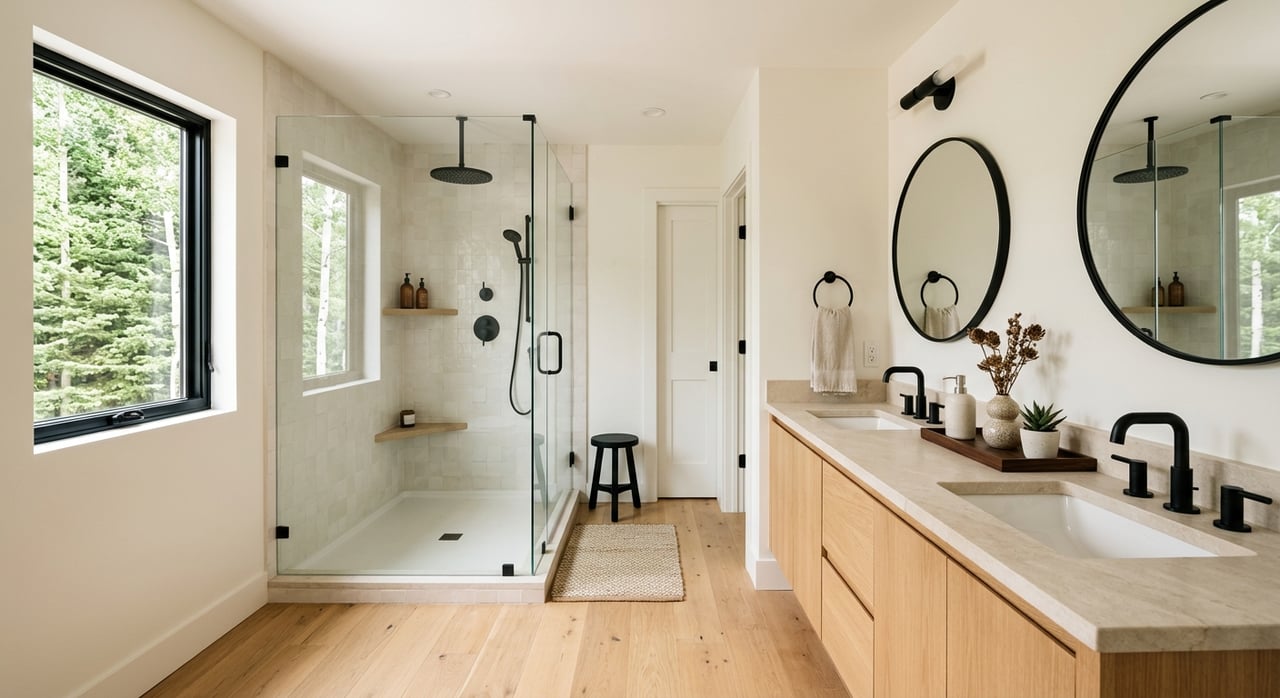
Prepping Your Eureka Home For A Smooth Sale
June 25, 2026
June 25, 2026
If your home is going to hit the market in Eureka, your first few days can shape the whole sale. In a market where buyers have options and homes can sit for a while, a clean, well-prepared launch helps you stand out early instead of playing catch-up later. The good news is that a smooth sale usually starts with a handful of practical steps you can take before your listing goes live. Let’s dive in.
Eureka sellers are not just competing for attention. They are competing for confidence. March 2026 market snapshots showed 162 active for-sale listings in Eureka, with a median asking price of $650,000 and a median 148 days on market.
Across Lincoln County, homes sold at about 95% of list price on average, with a median 127 days on market. That tells you buyers may take their time comparing homes. If your property feels cleaner, better documented, and easier to understand, you may have an edge from the start.
Before photos, showings, or pricing discussions, walk through your home with fresh eyes. Small visible issues can make buyers wonder about bigger ones behind the scenes. A dripping faucet, damaged trim, loose handrail, or worn caulk may seem minor, but together they can weaken your first impression.
Focus first on anything that affects function, safety, or overall upkeep. Then move to cosmetic items that help the home feel cared for. In a market where homes may be compared over weeks or months, condition matters.
A practical repair list often includes:
These are not flashy upgrades. They are confidence-builders.
Montana’s residential disclosure law is based on the seller’s actual knowledge of adverse material facts. That includes conditions that materially affect value, structural integrity, or health and safety. The disclosure statement is not a warranty, but it does need to reflect what you actually know about the property.
That is why prep is not only about fixing things. It is also about organizing your home’s history so your disclosure packet is accurate and complete.
Many Eureka-area properties rely on private septic systems, private wells, or both. For these homes, system records can be just as important as curb appeal. Buyers often want reassurance that the property has been maintained and documented properly.
If your home has a septic system, Lincoln County says a local septic permit is required before a wastewater system is installed, and site evaluations must be performed by a qualified site evaluator. If you already have septic permits, pumping records, or related documents, gather them before your listing goes live.
Montana DEQ recommends that private well owners do an annual check-up and test at minimum for coliform bacteria and nitrates. If you have recent water test results, keep them with the rest of your listing paperwork. For a rural property, this kind of preparation can answer buyer questions before they become delays.
Useful records to pull together may include:
Older rural homes often come with additions, sheds, decks, garages, or other improvements added over time. Before listing, it is smart to confirm that your records line up with what is on the property. This can help prevent surprises once a buyer starts reviewing disclosures and title work.
For parcels near water or on lower ground, Lincoln County’s planning department regulates floodplains and maintains special flood hazard area maps. If your property includes improvements in one of these areas, a quick records check can help you verify what was permitted and when.
Lincoln County’s Clerk & Recorder is the record keeper for real property, and the Treasurer offers an online database for tax records. Pulling your information together early gives you and your listing agent a cleaner starting point.
Helpful documents may include:
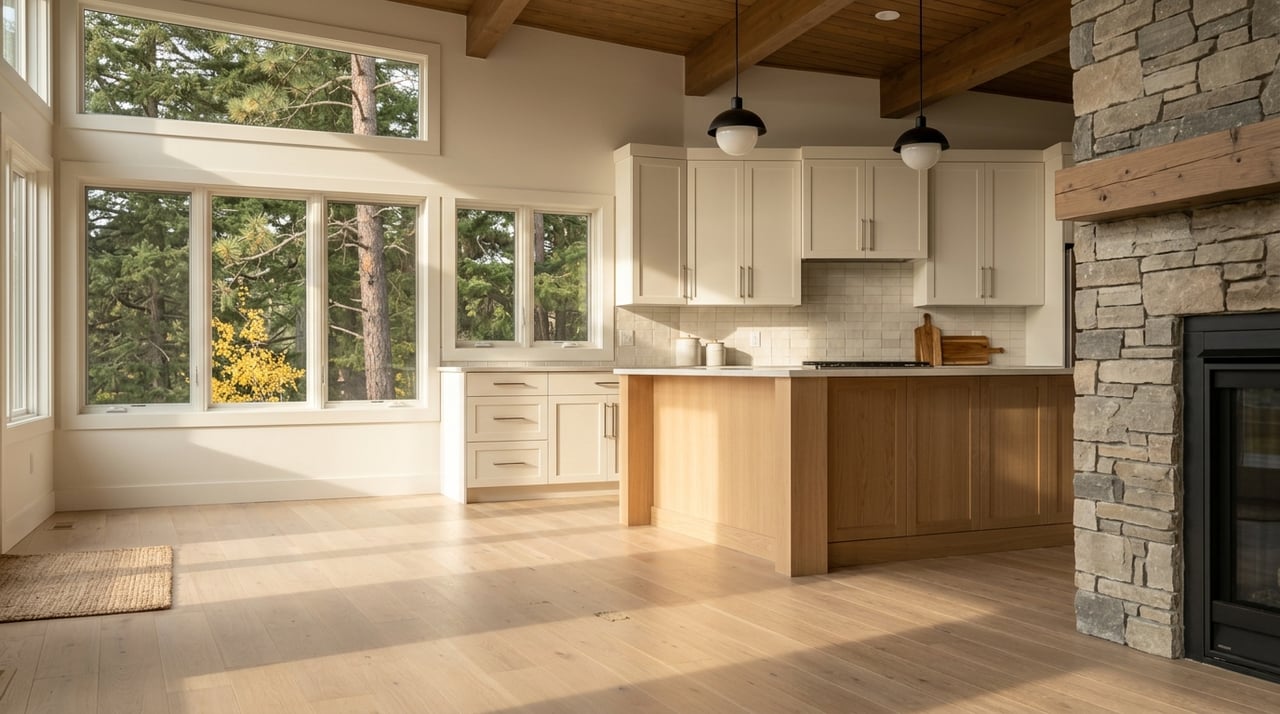
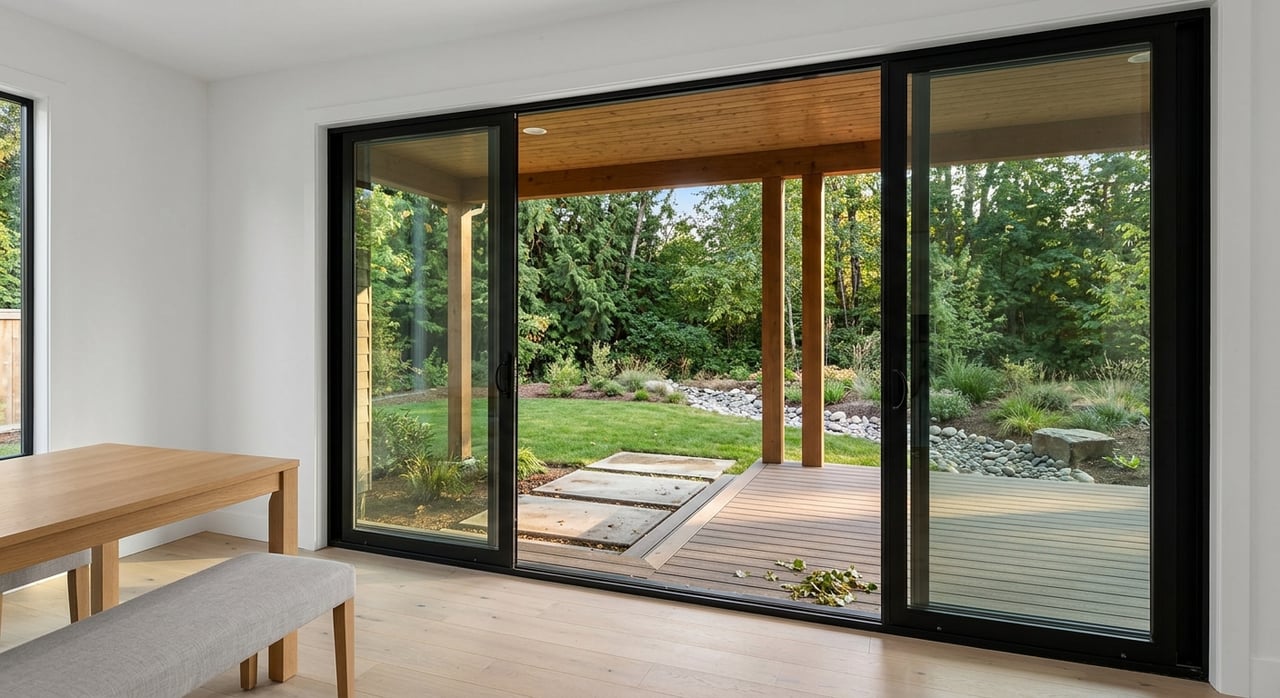
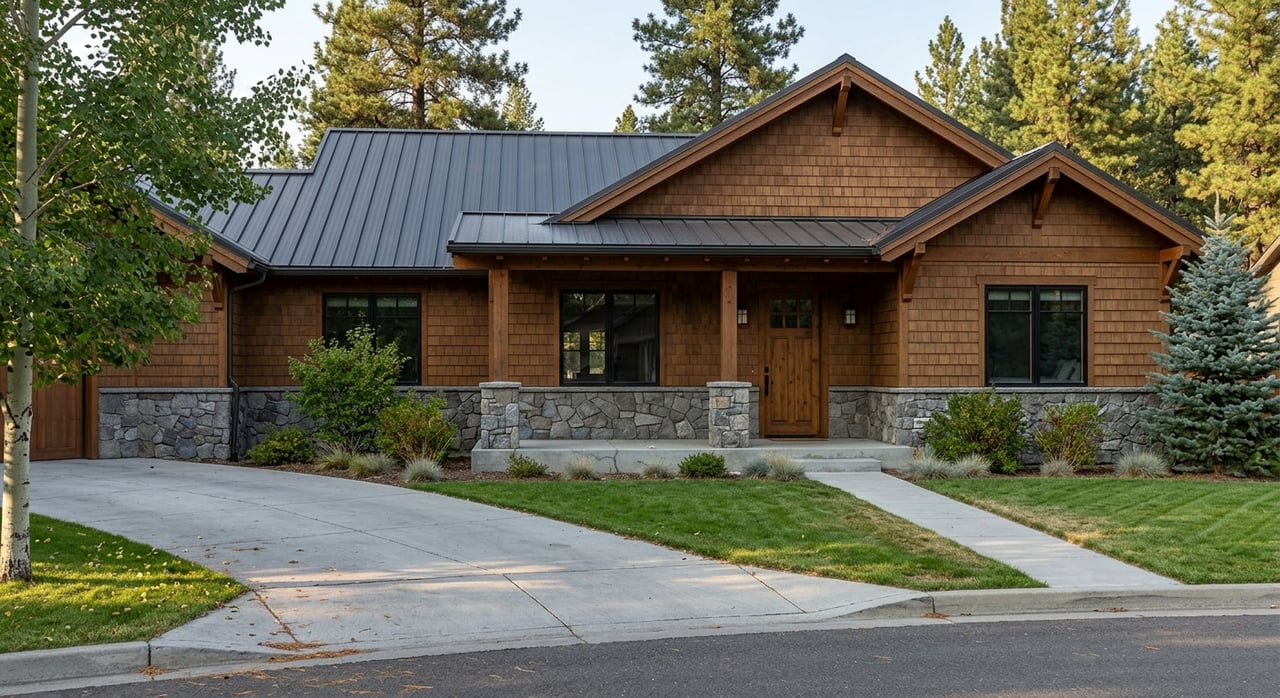
Today, buyers usually meet your home online first. According to NAR’s 2025 online visibility reporting, 81% of buyers rated listing photos as the most useful feature in their online search, and 52% found the home they ultimately bought online. That means your home needs to look clear, bright, and believable in photos.
The goal is not to make your home look empty or overly polished. The goal is to help buyers see the space clearly and imagine how it functions.
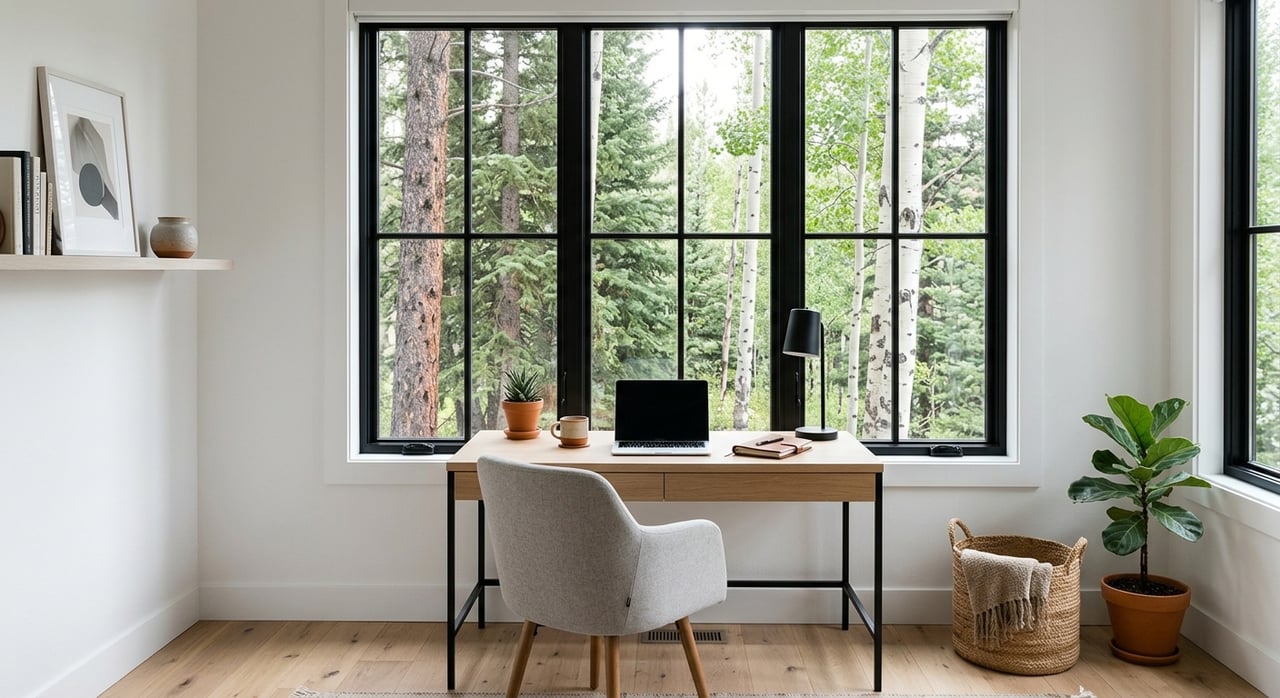
NAR’s 2025 Profile of Home Staging found that 83% of buyers’ agents said staging made it easier for buyers to visualize a home as their future residence. The same report found that the most commonly staged rooms were the living room, primary bedroom, and dining room.
If you do not want to stage every space, start there. Prioritize the areas where buyers are most likely to pause, picture daily life, and form an emotional connection.
Before photography or showings, try to:
NAR has also noted that buyers can feel disappointed when a home does not match its online presentation. That is why the safest strategy is honest, clean, well-lit preparation rather than heavy editing or exaggerated styling.
Decluttering gets easier when you know where things can actually go. Lincoln County operates landfills in Eureka, Libby, and Troy, and it also maintains green-box sites around the county. That gives sellers a practical local option for getting rid of unwanted items before the listing process starts.
It is worth remembering that large items such as furniture cannot go into the green boxes. If you are planning a major garage, basement, or outbuilding clean-out, knowing the county’s disposal options ahead of time can save you time and frustration.
One of the best ways to keep a sale moving is to prepare your disclosures early instead of scrambling once an offer comes in. Montana law requires a seller to provide a written disclosure statement for residential real property before or at the time of contract execution, and that statement must disclose adverse material facts the seller actually knows.
If the disclosure is delivered after the contract is signed, the buyer generally has a three-day rescission right unless that right was waived. In simple terms, waiting can create unnecessary friction.
Montana also has separate disclosure statutes for radon and mold, both requiring a disclosure statement on or before the offer. If you have radon testing, mitigation records, mold-related repairs, or similar documentation, keep those items in one place with the rest of your listing file.
The same applies to any known issues involving asbestos, lead-based paint, methamphetamine contamination, tanks, contaminated soil or water, or other structural, mechanical, legal, environmental, or physical issues that fall within your actual knowledge.
If your home was built before 1978, lead-based paint rules add another layer. Sellers and their agents must disclose known lead-based paint information before the sale contract is signed, provide the required pamphlet, include the required warning language, and allow the buyer a 10-day period for a lead inspection or risk assessment unless that period is waived.
For older Eureka homes, organized records matter. It is much easier to prepare now than to rely on memory later.
In Eureka, preparation is not separate from marketing. It is the foundation of it. When a home is repaired, decluttered, photographed well, and backed by complete paperwork, buyers can focus on the property itself instead of worrying about what they might be missing.
That matters in a market where homes may stay active long enough for buyers to compare details closely. A strong launch gives you a better chance to attract serious attention early, support your pricing strategy, and reduce avoidable delays once offers start coming in.
If you are getting ready to sell in Eureka, a local plan can make all the difference. From pricing and paperwork to staging and premium presentation, Erin Gilley can help you prepare your home for a smoother, more confident sale.
Stay up to date on the latest real estate trends.

Erin’s passion for adventure extends into real estate. Whether it's renovating a fixer-upper or turning a vacation rental into something special, Erin’s creativity and hands-on approach ensure that every property is an opportunity to create something unique.