Essential Trego MT Land for Sale Tips for Acreage Buyers
March 5, 2026
March 5, 2026
Picture yourself on a quiet stretch of pines with mountain views, where you set the pace and make your own space. Buying acreage in Trego can deliver that life, but rural land works differently than a city lot. With the right checks and a clear plan, you can avoid surprises and move forward with confidence. In this guide, you’ll learn the exact steps to verify access, water, septic, utilities, fire requirements, and environmental constraints in Lincoln County. Let’s dive in.
Lincoln County is your first stop for parcel‑level rules, maps, and forms. Start on the county’s Planning homepage to confirm how land use, subdivision approvals, and floodplain rules may affect your land. You can also use the county maps/GIS to see fire districts, roads, and parcel layers. For any flood concerns, check FEMA’s Flood Map Service Center to confirm whether a property sits in a mapped flood zone.
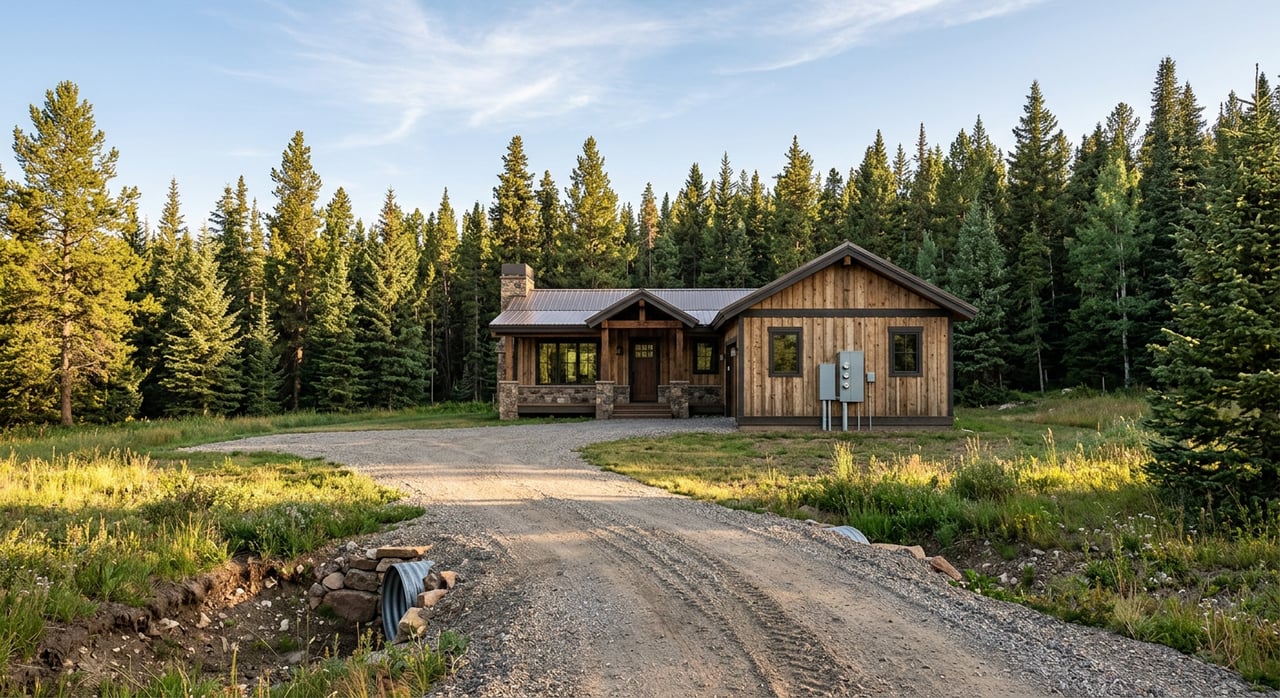
Access shapes year‑round livability, emergency response, and resale. Verify whether the driveway connects to a county‑maintained road, a state highway, or a private road across an easement. If access is off a county road, a driveway approach permit is required and has specific construction standards.
Pro tip: Ask the Road Department which shop maintains your area and whether your road is plowed in winter. If the road is private, request documented maintenance history and confirm who pays for grading, snow removal, and culvert repairs.
Most acreage in Trego relies on private wells. If your lot is less than 20 acres and was created through subdivision, Montana DEQ likely reviewed sanitation and issued a Certificate of Subdivision Approval, or COSA. That COSA shows approved well locations and isolation zones that affect your building plan.
Water rights are overseen by DNRC. Recent changes require a Notice of Intent for new exempt wells under HB 681, effective January 1, 2026. DNRC aims to respond within about 10 business days for complete filings, and an authorized Notice of Intent is valid for five years. In multi‑phase subdivisions, DNRC evaluates combined appropriations, so you cannot assume each lot qualifies for a separate exempt well without review.
What to request from the seller or listing agent:
Your drainfield location and soil conditions determine where you can build and what type of system you need. DEQ Circular DEQ‑4 sets design standards for subsurface wastewater systems, and the local health department issues septic permits.
If the lot has a DEQ‑approved layout, the COSA may lock in your drainfield and well locations. If not, expect to dig test holes and complete a soils profile. Budget for an engineered or alternative system if groundwater is shallow or soils are marginal.
Rural service can add cost and time. In Lincoln County, electricity is typically provided by local co‑ops. You may need to pay for a line extension and trenching from the nearest service point to your homesite. Natural gas mains are uncommon, so many owners use propane, wood, or electric heating.
Subdivision standards often require new utilities to be installed underground unless the provider specifies otherwise, and 15‑foot utility easements are common on plats. Confirm recorded easements on your survey or certificate of survey. Always schedule utility locates before trenching or culvert work.
Trego lies within defined fire districts served by local volunteer departments. Before you design a driveway or site your home, contact the local district to confirm driveway width, turnaround needs, grade limits, and any water supply expectations for firefighting. Good address signage also helps 911 responders find you quickly.
Floodplains, riparian buffers, wetlands, steep slopes, and noxious weeds can affect where you build and your total costs. Check FEMA flood maps for your address. If your property sits in a mapped floodway or special flood hazard area, expect extra steps and potentially higher insurance costs.
Lincoln County’s subdivision rules call for weed management plans and wildland‑urban interface guidance where applicable. If your land is heavily forested, ask the local fire authority for defensible space recommendations.
A smooth purchase depends on sequencing your due diligence. Plan time and budget for these common steps:
Buying land here is as much about process as it is about views. With the right steps, you can secure access, water, septic, utilities, and fire clearance while protecting your timeline and budget. If you want a local plan tailored to your specific parcel and goals, reach out to Erin Gilley for a friendly, data‑informed consultation.
Stay up to date on the latest real estate trends.


Erin’s passion for adventure extends into real estate. Whether it's renovating a fixer-upper or turning a vacation rental into something special, Erin’s creativity and hands-on approach ensure that every property is an opportunity to create something unique.