Whitefish Lakefront vs In-Town Living: Which Suits You
February 19, 2026
February 19, 2026
Picture this: sunrise on Whitefish Lake with a paddleboard waiting at your dock, or a relaxed stroll to coffee and dinner a few blocks from home. If you are deciding between a lakefront place and an in-town condo, you are not alone. Each choice offers a distinct lifestyle, budget profile, and set of rules. This guide breaks down what to expect so you can choose with confidence. Let’s dive in.
Whitefish blends a compact, lively downtown with easy access to the lake and mountains. City Beach sits near town and the lake is a community hub for all seasons, as noted by the local Whitefish Chamber’s activities overview. The Whitefish Trail adds miles of non-motorized paths, with maps and trailheads listed by Whitefish Legacy Partners. For lift-served skiing and summer village life, Whitefish Mountain Resort is a quick drive from town.
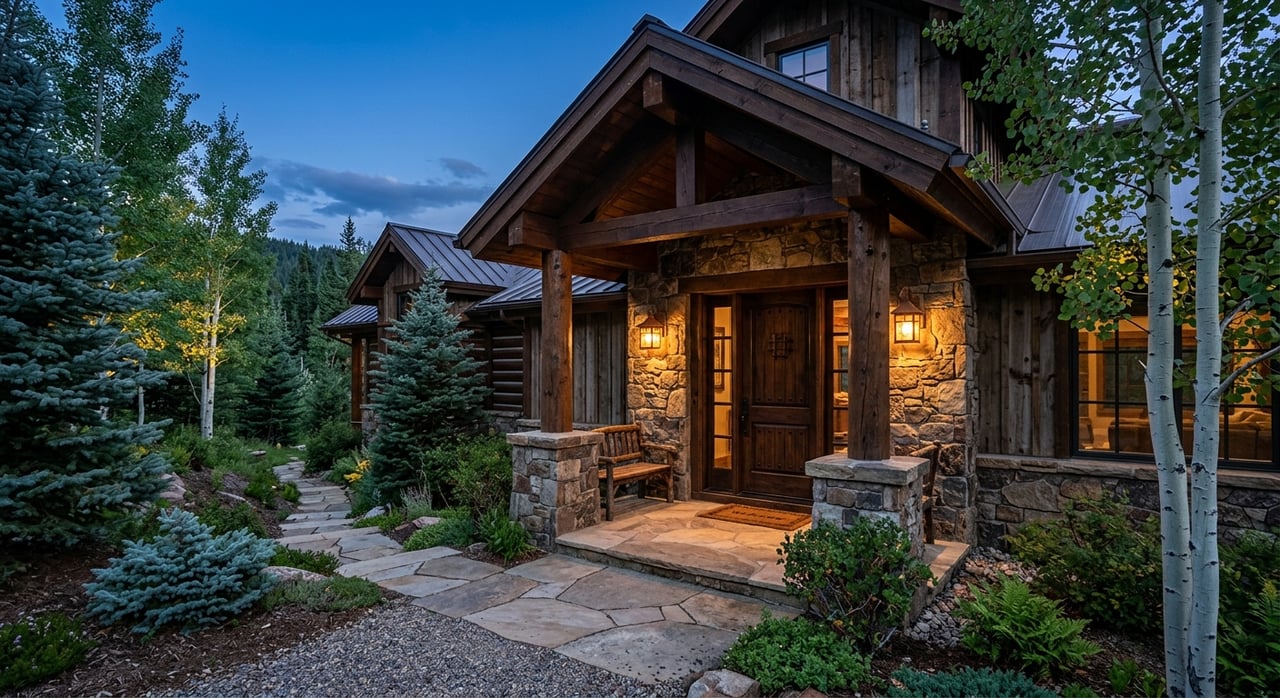
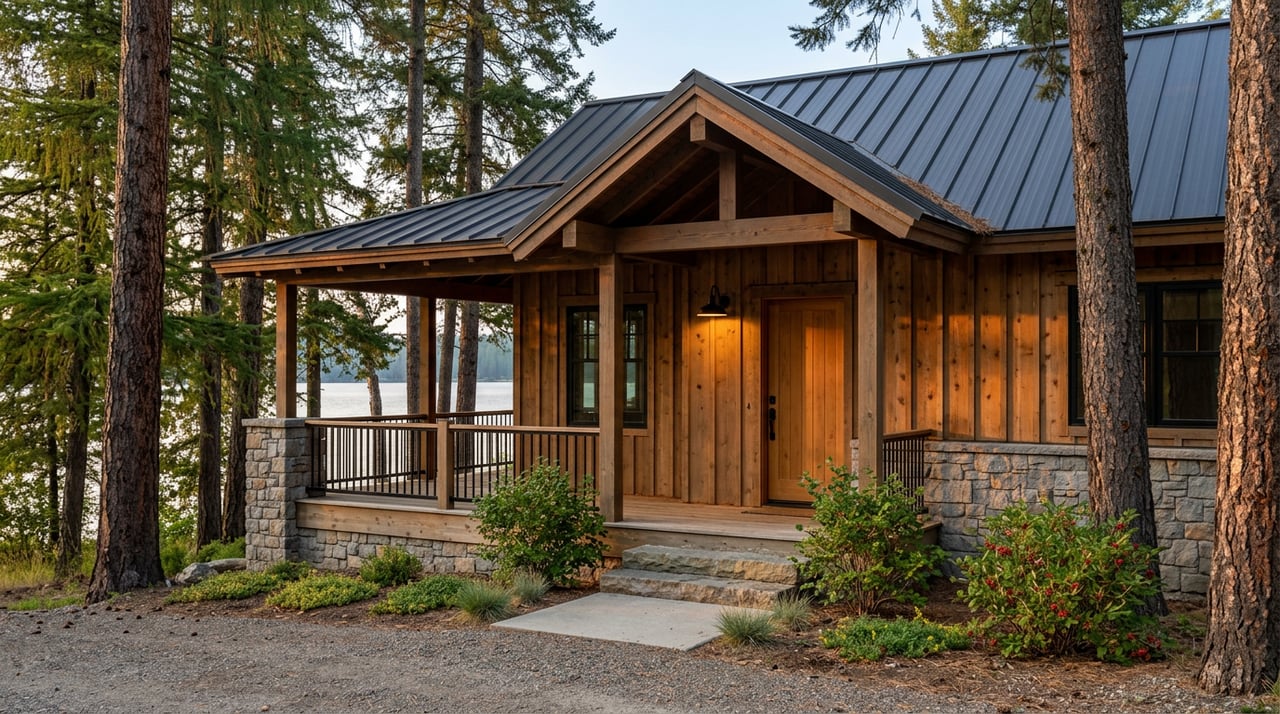
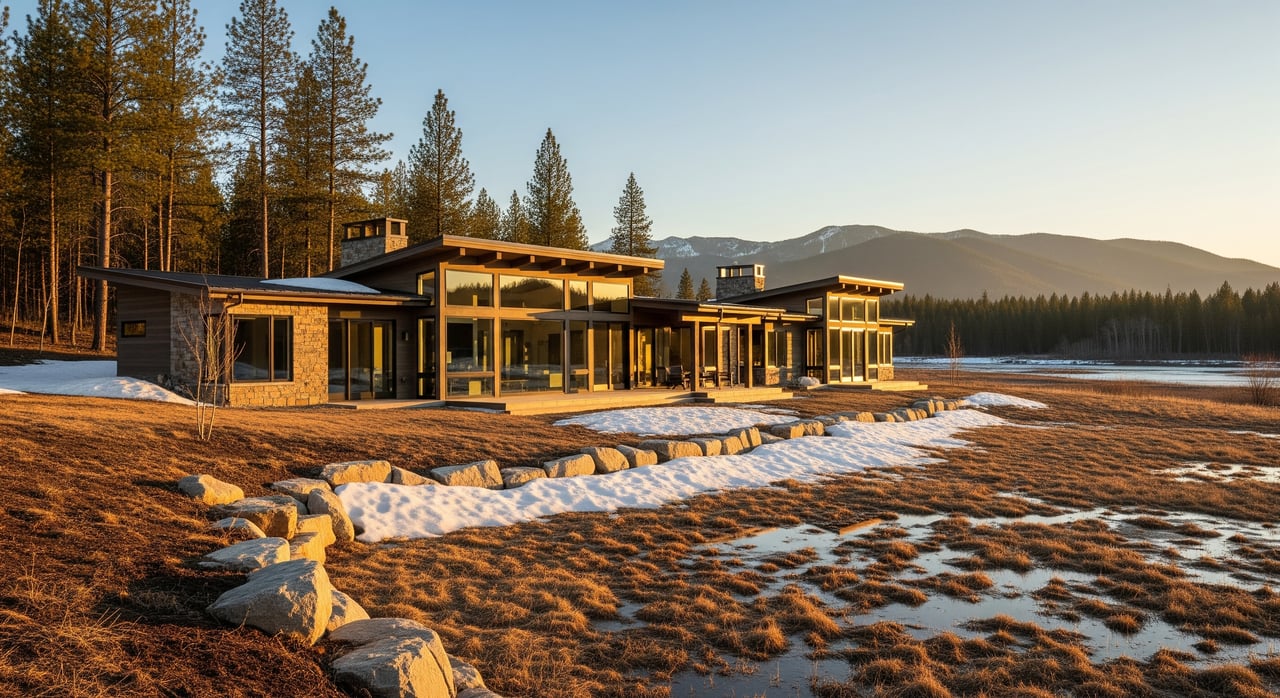
Lakefront living centers on direct water access, sweeping views, and a quieter, more private setting. You can launch a paddleboard before breakfast, swim at mid-day, and enjoy sunset boat rides from your own dock if the property includes one. Many parcels feel tucked away compared with downtown, which some buyers love for longer stays and unplugged time.
You get immediate access for boating, fishing, and swimming. The tradeoff is distance. Lakefront stretches outside the core may sit farther from restaurants, shops, and events. If you want to walk to dinner several times a week, factor in the drive time or consider a property closer to town.
Lakefront work faces more review than a typical suburban yard. The City of Whitefish requires permits for most projects within the Lakeshore Protection Zone, generally the land within 20 horizontal feet of the lake’s high-water line. Read the city’s Lakeshore Development page to understand what needs a permit and how the Lakeshore Protection Committee reviews proposals.
To protect water quality, the city runs an Aquatic Invasive Species (AIS) inspection and decontamination program. Before launching, boats and certain watercraft must follow city procedures. Plan ahead for seasonal staffing hours and guest logistics by checking the Watercraft Inspection & Decontamination page.
Some lake-edge parcels use on-site wastewater systems. Ask for septic inspection and pump records, and verify disposal capacity and local planning through Flathead County’s septage information page at Flathead County. Do not assume municipal sewer or water. Connection availability is parcel-specific.
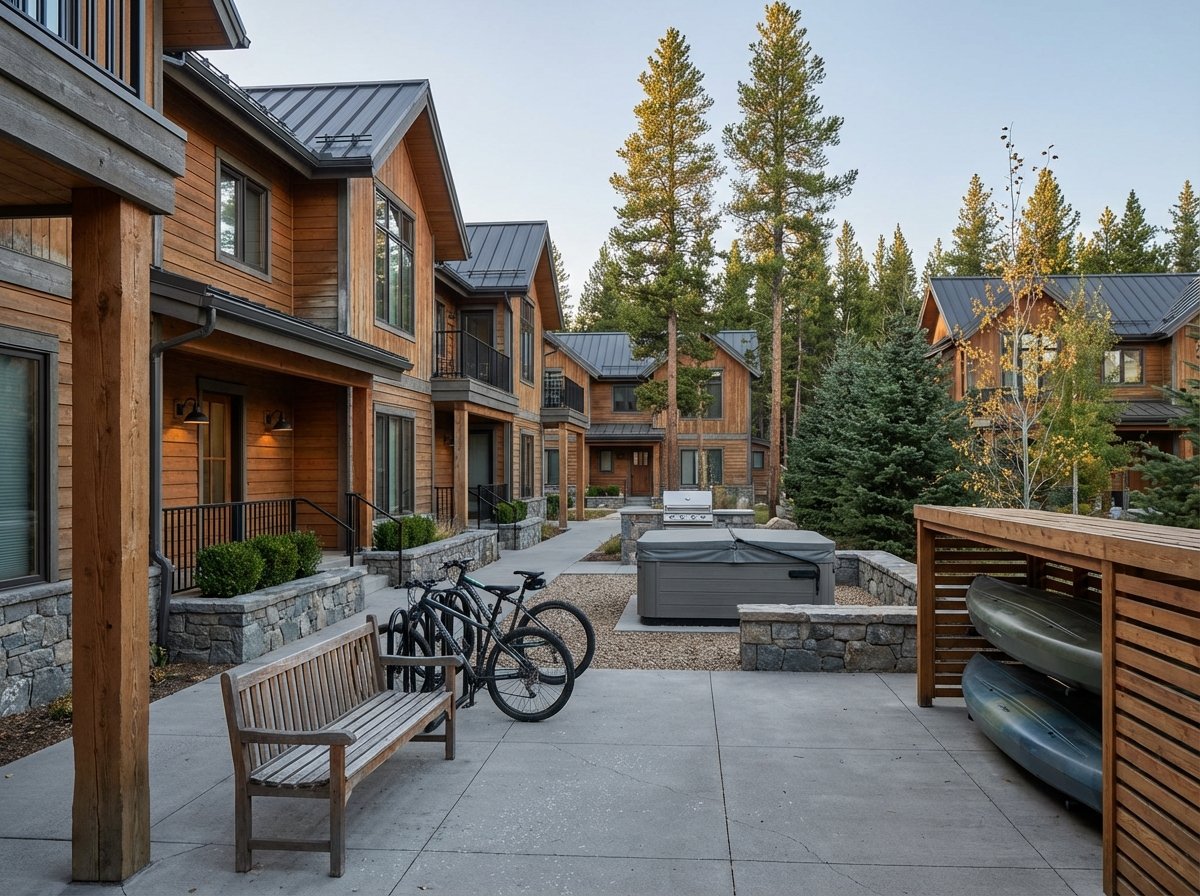
In-town ownership prioritizes walkability and convenience. You can wander to shops, restaurants, and seasonal events, then get to the resort by shuttle or a short drive. Many buildings offer low-maintenance, lock-and-leave living, plus amenities like ski storage, heated garages, or fitness rooms.
Your day starts with a coffee run, a quick bike to the Whitefish Trail, or a short drive to the lifts. If you value social time, frequent dining out, and easy access to services, in-town wins. Proximity to medical and municipal services typically means faster response and simpler year-round access during winter storms as well.
Condos centralize exterior maintenance, snow removal, and shared systems. In return, you pay HOA dues and follow building rules. The strength of an HOA’s reserves matters. Ask for governing documents, recent budgets, reserve studies, minutes, and the master insurance summary. The Community Associations Institute’s guidance on reserve funding, summarized here by PropFusion, explains why reserves reduce the risk of surprise assessments.
In a condo, the master policy often covers the exterior and common areas while you carry an HO-6 (unit) policy for interiors and contents. Standalone homes need full dwelling coverage. Flood is typically a separate policy. Always check the exact parcel’s FEMA flood map and obtain quotes early, using the FEMA Flood Map Service Center.
Short-term rentals are allowed only in certain city zoning districts and require a city permit. You must confirm both zoning eligibility and building rules, since some associations restrict short stays even when zoning allows them. Start with the city’s Short-Term Rental page for permit steps, fees, and enforcement notes, then request your building’s rental policy in writing.
You picture coffee on the dock, a morning paddle, and a late swim. Privacy and direct water access top your list. You are comfortable planning for AIS inspections and seasonal dock upkeep. Lakefront likely fits your lifestyle.
Your ideal stay is a powder morning, afternoon errands in town, and dinner within a short stroll. Building amenities and easy logistics matter more than a private dock. An in-town or resort-area condo likely suits you best, with quick access to Whitefish Mountain Resort.
You want simple ownership, predictable costs, and potential rental income where allowed. A well-run condo in a permitted STR zone can check the boxes. Confirm zoning and building rules via the city’s Short-Term Rental page and the HOA documents.
Every property is unique, but here is how costs typically stack up.
Use this short list to organize your review. Ask the listing agent for documents before you make an offer, and note the dates on each item.
Choosing between lakefront and in-town comes down to how you plan to use your place, how much upkeep you want, and your comfort with local rules. You should not have to sort that out alone. With local roots and a financing-informed approach, I help you weigh lifestyle, costs, and compliance so you buy with clarity. Ready to map properties to your exact goals? Reach out to Erin Gilley to compare options and plan next steps.
Stay up to date on the latest real estate trends.
Erin’s passion for adventure extends into real estate. Whether it's renovating a fixer-upper or turning a vacation rental into something special, Erin’s creativity and hands-on approach ensure that every property is an opportunity to create something unique.